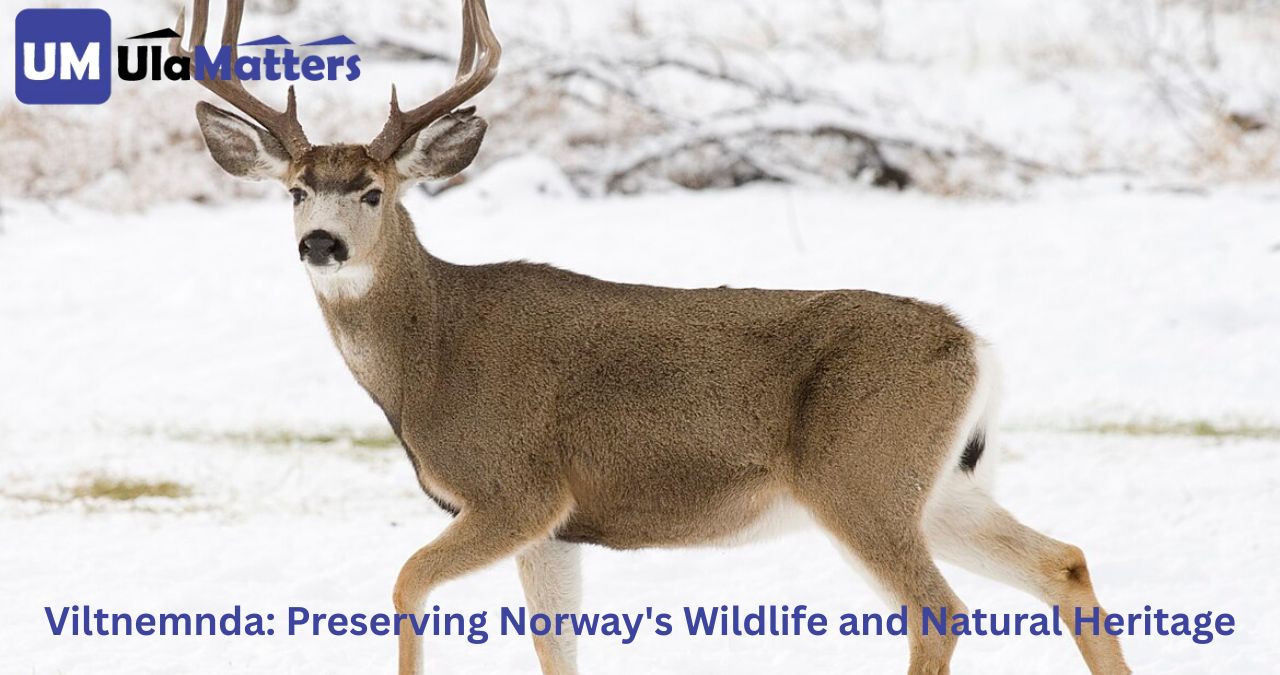

In the heart of Scandinavia lies Norway, a country known for its breathtaking natural beauty, from the towering fjords to the expansive forests. A crucial part of Norway’s commitment to environmental conservation is its system of wildlife management, one aspect of which is the “Viltnemnda.” This term, which refers to the wildlife board or wildlife management committee in Norway, plays a pivotal role in preserving the country’s diverse ecosystems and ensuring sustainable wildlife practices.
This article will delve into the purpose and structure of the Viltnemnda, its impact on conservation efforts, and the challenges it faces in balancing ecological health with the needs of local communities.
Understanding Viltnemnda: What Is It?
“Viltnemnda” is a Norwegian term that can be loosely translated to “wildlife committee” or “wildlife board.” These committees are established at various levels, from municipal to regional, and they serve as key decision-makers in the management of wildlife populations in Norway. The main goal of Viltnemnda is to oversee the sustainable use of wildlife resources, promote conservation efforts, and regulate hunting practices in the country.
The existence of such committees reflects the strong cultural connection that Norwegians have with their natural environment, as well as the country’s commitment to ecological sustainability. Norway is home to a rich variety of wildlife, including large predators like wolves and bears, majestic moose, and countless bird species. Ensuring that these species thrive while maintaining harmony with human activities is a delicate balance, and this is where the Viltnemnda comes into play.
The Role and Function of Viltnemnda
The primary responsibility of the Viltnemnda is to manage the relationship between humans and wildlife, ensuring that both can coexist in a sustainable way. This involves several key functions:
- Wildlife Conservation: The Viltnemnda is tasked with protecting endangered species and their habitats. They work closely with environmental organizations, scientists, and other governmental bodies to monitor populations and take action when necessary. This might include setting up protected areas, enacting laws to prevent poaching, and promoting biodiversity conservation.
- Regulating Hunting: Hunting is an integral part of Norway’s culture and economy, especially in rural areas. The Viltnemnda plays a central role in regulating hunting practices to ensure that they are sustainable. This includes setting hunting quotas, determining which species can be hunted, and ensuring that hunters follow ethical and legal guidelines. The committee is also responsible for monitoring the health of the game populations to make sure hunting does not cause ecological imbalances.
- Conflict Management: In rural areas, wildlife and human populations often overlap, leading to conflicts, particularly with large predators like wolves, lynx, and bears. The Viltnemnda works to mitigate these conflicts, ensuring that both the needs of the local communities and the preservation of wildlife are addressed. This might involve compensation programs for farmers whose livestock is affected by predators or establishing wildlife corridors that allow animals to move safely through inhabited areas.
- Research and Monitoring: The Viltnemnda collaborates with environmental agencies, research institutions, and conservationists to conduct research on the health and behavior of wildlife populations. Monitoring trends in animal behavior, migration patterns, and habitat changes is vital for making informed management decisions.
- Public Education and Awareness: Education plays a vital role in the work of the Viltnemnda. It helps local communities, hunters, and the general public understand the importance of wildlife preservation and the role they play in maintaining ecological balance. The committee often organizes outreach programs, workshops, and public events to spread awareness of wildlife issues and promote responsible practices.
Structure of the Viltnemnda
The Viltnemnda operates through a tiered system of committees at both the municipal and regional levels. Each local committee typically comprises elected representatives, wildlife experts, environmental officers, and members of local communities, including hunters and farmers. This structure ensures that both scientific expertise and local knowledge are taken into consideration in wildlife management decisions.
At the municipal level, the Viltnemnda is usually a small committee that focuses on local issues, such as managing hunting permits or addressing human-wildlife conflicts. At the regional or national level, more comprehensive decisions are made that can affect larger ecosystems or species across a broader area. These larger bodies are often involved in high-level decision-making, such as setting national hunting quotas or making recommendations to the government on conservation policies.
The Importance of Viltnemnda in Norway’s Environmental Strategy
Norway has long been committed to environmental protection, and the Viltnemnda plays a crucial role in the country’s broader environmental strategy. The committee helps ensure that human activities, particularly those related to hunting and land use, do not negatively impact the country’s natural heritage.
Through its work, the Viltnemnda supports the government’s obligations under national and international environmental agreements, including the Convention on Biological Diversity. By regulating hunting practices and monitoring wildlife populations, the Viltnemnda helps maintain the delicate balance that exists in Norway’s diverse ecosystems.
Moreover, the Viltnemnda contributes to Norway’s global reputation as a leader in sustainability and conservation. As the country faces increasing pressures from climate change, industrial development, and tourism, the role of wildlife management committees becomes even more critical in preserving biodiversity for future generations.
Challenges Faced by the Viltnemnda
Despite the clear benefits and importance of the Viltnemnda, there are several challenges that the committees face in carrying out their responsibilities. Some of the key challenges include:
- Human-Wildlife Conflicts: As Norway’s rural areas become more developed and the population of large predators like wolves and bears increases, the potential for human-wildlife conflict grows. Livestock farmers often face financial losses due to predation, while local communities may fear for their safety when large predators venture into inhabited areas. Balancing these concerns with the need to protect wildlife populations can be a delicate and contentious issue.
- Climate Change: Climate change poses a significant threat to Norway’s ecosystems, and by extension, the species that inhabit them. Changing weather patterns, habitat loss, and shifts in food availability can affect the health and behavior of wildlife populations. The Viltnemnda must adapt its strategies to account for these changes, ensuring that wildlife management remains effective in a rapidly changing environment.
- Funding and Resources: As with many environmental initiatives, securing adequate funding and resources for wildlife conservation can be challenging. The Viltnemnda relies on both government funding and support from private stakeholders, including the tourism and agriculture sectors. Ensuring that there are sufficient resources to carry out its work is an ongoing challenge.
Future of Viltnemnda and Wildlife Management in Norway
Looking forward, the Viltnemnda will continue to play a central role in ensuring the long-term health of Norway’s wildlife and natural heritage. As Norway faces growing pressures from climate change, urbanization, and other environmental factors, the role of wildlife committees will only become more vital. Increasing collaboration with local communities, research institutions, and environmental organizations will be essential in developing innovative solutions to the challenges at hand.
Moreover, there is a growing emphasis on utilizing technology in wildlife management. From advanced tracking systems to the use of drones for monitoring wildlife populations, new tools are emerging that could help the Viltnemnda become even more efficient and effective in its efforts.
Conclusion
The Viltnemnda represents a vital aspect of Norway’s commitment to preserving its natural environment and wildlife. Through its role in managing hunting, conservation, and mitigating human-wildlife conflict, the Viltnemnda ensures that Norway’s ecosystems remain healthy and that wildlife populations thrive. While challenges persist, the ongoing efforts of the Viltnemnda serve as a model for other nations working to balance human development with the protection of natural resources.
As Norway continues to evolve in response to environmental pressures, the Viltnemnda’s influence will remain key to ensuring that the country’s rich wildlife heritage is safeguarded for generations to come.