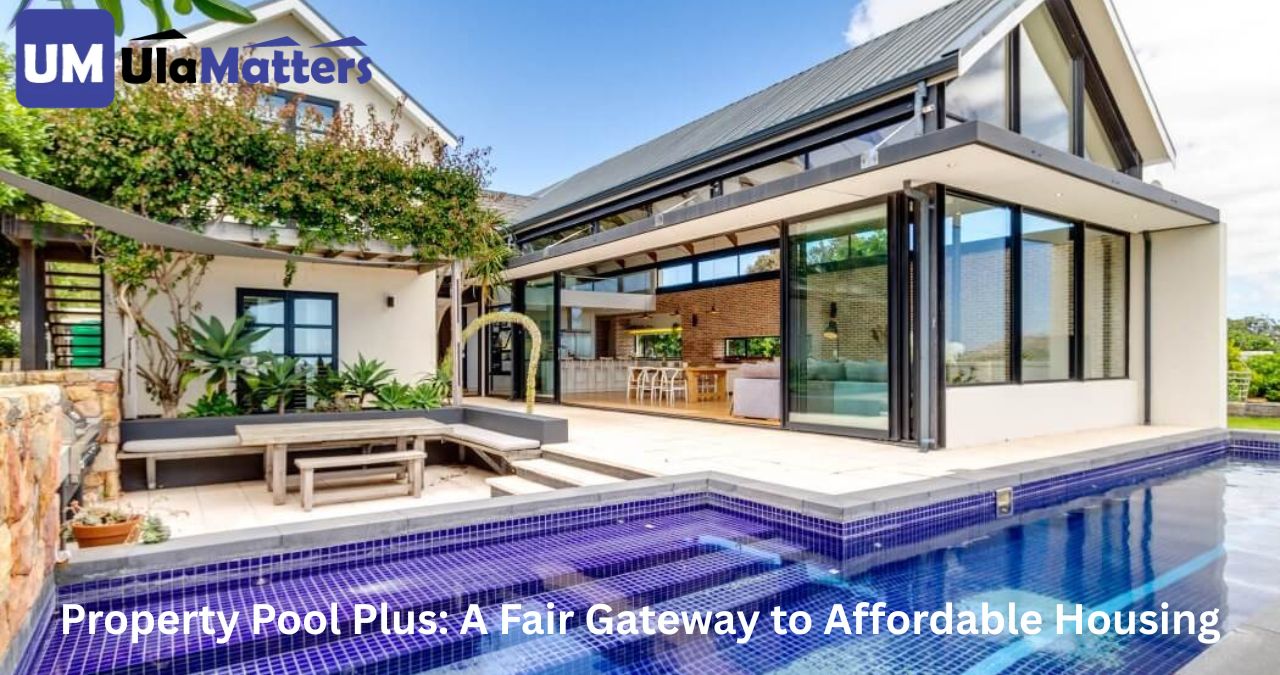

Property Pool Plus is a housing allocation system designed to make the process of finding affordable, suitable homes fairer, more transparent, and accessible for individuals and families in need of social housing. Operating across various regions in the United Kingdom—particularly in areas like Liverpool, Wirral, Halton, and Sefton—the scheme serves as a centralized register for people who want to rent properties from local councils or housing associations.
Through Property Pool Plus, applicants can view available homes, express interest in those that match their needs, and be considered based on a structured, needs-based priority system. The initiative reflects a modern, digital approach to housing allocation—replacing traditional waiting lists with a transparent and user-friendly choice-based lettings model.
Understanding Property Pool Plus
At its core, Property Pool Plus (PPP) operates as a choice-based lettings system. This means that instead of passively waiting for a housing officer to assign a property, applicants are given the freedom to browse available homes and “bid” on those that fit their requirements.
The platform is managed by a partnership of local authorities and registered housing providers, ensuring a coordinated approach to managing social housing stock across regions. By using a unified system, Property Pool Plus eliminates duplication of housing registers between neighboring councils, allowing for better use of available housing resources.
The system’s purpose is twofold:
- To empower applicants by giving them more choice and control in selecting their home.
- To make housing allocation fair and transparent by using a points- or band-based priority system based on genuine need.
Who Can Apply
Property Pool Plus is primarily aimed at people who:
- Are homeless or at risk of homelessness.
- Live in overcrowded or unsuitable accommodation.
- Need to move due to medical, welfare, or safety reasons.
- Are seeking affordable housing but cannot rent privately due to financial or social circumstances.
Eligibility depends on residency, immigration status, and housing need. Generally, applicants must have a local connection to the area where they apply—through living, working, or having family ties there.
Once eligibility is confirmed, applicants are placed in a priority band based on their circumstances. The higher the level of housing need, the higher the banding, which improves their chances of being offered a property sooner.
The Banding System
Property Pool Plus uses a banding system to prioritize applicants fairly. While the exact terminology may vary slightly across regions, the principle remains the same: those with the greatest housing need are placed in higher bands.
A typical band structure looks like this:
- Band A – Urgent Need:
For applicants facing extreme circumstances, such as homelessness, severe medical conditions, or emergencies like domestic abuse or unsafe housing conditions. - Band B – High Need:
For people in serious but non-emergency situations, such as overcrowded homes or those needing to move closer to essential support networks. - Band C – Medium Need:
For applicants who need to move but do not face immediate hardship—for instance, individuals living in private rented homes with affordability issues. - Band D – Low Need:
For those who wish to move for lifestyle reasons, like downsizing or relocating closer to work, without significant housing problems.
Applicants in each band are further ranked by waiting time—meaning the longer someone has been registered, the higher their position within that band.
How the Bidding Process Works
The term “bidding” in Property Pool Plus does not involve money—it simply refers to expressing interest in a property. Here’s how the process typically works:
- Registration:
The applicant completes an online form providing details about their household, income, and housing needs. Supporting documents (like proof of residency, income statements, or medical letters) are often required. - Assessment and Banding:
The local authority reviews the application and assigns the applicant to a band. - Property Listings:
Every week, available homes from councils and housing associations are listed on the Property Pool Plus website. These listings include location, size, rent, and eligibility requirements. - Bidding:
Applicants can bid for up to a certain number of properties per cycle (usually three). Bids must be placed within the weekly advertising period. - Shortlisting and Offers:
After the bidding period ends, the system ranks all applicants who expressed interest based on their band and waiting time. The highest-priority applicant is then contacted for a viewing and potential offer.
This process ensures that homes go to those most in need, while also giving applicants the flexibility to choose where they want to live.
Benefits of Property Pool Plus
The Property Pool Plus system offers multiple advantages—both for applicants and housing providers.
1. Transparency
One of the key strengths of Property Pool Plus is its openness. Applicants can see which properties are available, understand how their position is determined, and check their chances of success. This transparency builds trust and reduces uncertainty, which is a common frustration in traditional housing lists.
2. Fairness
The banding and ranking system ensures fairness by prioritizing people based on genuine need rather than personal connections or subjective decisions. It is a structured, rules-based process where everyone is treated equally.
3. Empowerment Through Choice
Unlike older systems where applicants had little control, Property Pool Plus empowers individuals by letting them choose where to live. This choice fosters greater satisfaction and community stability because people are more likely to settle in homes and neighborhoods they personally selected.
4. Efficient Resource Management
For local councils and housing associations, Property Pool Plus helps reduce administrative workload and ensures better use of housing stock. Vacant properties can be filled faster, and data insights help track local housing demand more accurately.
Challenges and Criticisms
Despite its benefits, Property Pool Plus is not without its challenges. Demand for social housing across the UK far exceeds supply, meaning that even those in higher bands may wait months—or years—for a suitable home.
Some applicants also find the digital process daunting, especially older individuals or those without internet access. Local authorities have addressed this by offering assistance through housing offices and community centers.
Another common frustration is the perceived lack of feedback. While the system shows one’s position in the shortlist, many applicants wish for more detailed updates on why bids were unsuccessful. This can sometimes create feelings of discouragement or confusion.
Nonetheless, councils continuously refine the platform to make it more accessible and responsive to user needs.
The Human Side of the System
Beyond the technicalities, Property Pool Plus represents something deeper: hope and stability. For many individuals and families, getting a home through the system means escaping homelessness, unsafe environments, or financial strain.
Stories from successful applicants often highlight how the scheme helped them rebuild their lives—providing not just shelter but dignity, security, and a chance to thrive. Housing officers who work within the program also emphasize the emotional satisfaction of helping people find stability and belonging.
Future of Property Pool Plus
As housing demands evolve, so too does Property Pool Plus. Many councils are integrating smart technologies and data analytics to better predict housing needs and improve the speed of allocations. There’s also growing emphasis on affordable rent options and shared ownership opportunities, giving applicants more flexible housing choices.
The system continues to be refined to ensure inclusivity—particularly for vulnerable groups such as the elderly, people with disabilities, and refugees. With ongoing collaboration between local authorities and housing providers, Property Pool Plus is expected to remain a cornerstone of social housing access for years to come.
Conclusion
Property Pool Plus has transformed the way social housing is allocated in the UK. By combining fairness, transparency, and choice, it gives thousands of people each year the opportunity to find safe and affordable homes suited to their needs.
While challenges remain—especially in tackling housing shortages—the system stands as a vital example of how technology and policy can work hand in hand to serve communities better. For applicants, it is more than just a website; it is a bridge to a new beginning, a fresh start, and the comfort of having a place to call home.