
Asbestos, once a widely used material due to its heat resistance and insulating properties, has long been a subject of controversy due to its dangerous health effects. Asbestos fibers are microscopic and, when inhaled, can lead to serious diseases such as lung cancer, asbestosis, and mesothelioma. Over time, regulations and bans on asbestos usage have become more common worldwide. However, the legacy of asbestos use continues to impact many industries and homes. One of the forms in which asbestos has been historically used is asbestlint.
What Is Asbestlint?
Asbestlint is a Dutch term that refers to an asbestos-based product, often in the form of a woven rope or string. It was traditionally used for various applications, particularly in construction and industrial settings, due to its heat resistance and durability. Asbestos lint was primarily used as a sealing material, often around pipes, furnaces, and boilers, where high heat resistance was crucial. Asbestlint is woven from asbestos fibers, which makes it particularly useful in scenarios where other materials would fail to maintain their integrity under extreme conditions.
The name “asbestlint” directly translates to “asbestos tape” or “asbestos string” in English. It is a flexible, fibrous material that can be cut into desired lengths, making it versatile for a wide range of sealing, insulating, and gasketing needs. Asbestlint was commonly employed in applications where both heat and fire resistance were required.
Properties of Asbestlint
The most significant properties of asbestlint are its exceptional resistance to heat and fire, its durability, and its ability to insulate. Here are some of the core characteristics that made asbestlint a popular choice:
- Heat Resistance: Asbestos is renowned for its ability to withstand high temperatures. Asbestlint, with its fibrous structure, could endure extreme heat, making it ideal for use in industries such as construction, automotive, and manufacturing, where high heat was a constant factor.
- Fire Resistance: Asbestos has natural fire-resistant properties, meaning it doesn’t burn easily and can help prevent the spread of fire. Asbestlint was used as a sealing material to reduce the risk of fire in industrial settings.
- Insulation: Asbestlint also functioned as an excellent thermal insulator. It helped in maintaining temperature control within systems like boilers and pipes. Its insulating properties also helped improve the efficiency of heating systems and reduce energy consumption.
- Durability: Asbestos fibers are highly durable and resistant to chemical reactions. Asbestlint, made from these fibers, was highly resilient to wear and tear, which made it a preferred material for industrial applications.
- Flexibility: Due to its woven form, asbestlint could be applied to a variety of surfaces and was flexible enough to fit around irregular shapes and gaps, providing a tight seal.
Historical Uses of Asbestlint
Asbestlint had a wide range of applications, especially in industries and fields where heat, fire, and chemical resistance were necessary. Some common uses of asbestlint included:
- Sealing Around Pipes and Boilers: Asbestlint was commonly used as a gasket or sealing material around pipes, especially in industrial and residential heating systems. Its ability to withstand high temperatures made it ideal for use in areas exposed to steam, hot water, or high heat.
- Insulation for Boilers and Furnaces: Asbestos-based materials like asbestlint were used as insulation around boilers, furnaces, and other equipment in industries like power generation, manufacturing, and shipbuilding.
- Fireproofing: Asbestlint was often used to create firebreaks and to seal off joints and gaps in buildings or machinery to prevent the spread of fire.
- Automotive Industry: Asbestos-based products, including asbestlint, were used in automotive parts like brake linings, gaskets, and seals due to their excellent heat resistance.
- Construction: In the construction industry, asbestlint was used for sealing and insulation purposes in buildings, especially in areas that required resistance to high heat, such as in boiler rooms and around chimneys.
The Decline of Asbestos Use
Despite the many benefits of asbestlint and other asbestos products, the widespread recognition of the health risks associated with asbestos has led to a dramatic decline in its use. Asbestos is now known to be a dangerous material that can cause serious diseases when its fibers are inhaled. Inhalation of asbestos fibers can lead to lung diseases like asbestosis, a chronic lung condition caused by scarring of lung tissue, and mesothelioma, a rare and aggressive form of cancer that affects the lining of the lungs, abdomen, or heart.
Due to these health risks, many countries have enacted strict regulations regarding the use and handling of asbestos. The European Union and Australia banned the use of asbestos in construction materials by the early 2000s. The United States has also imposed severe restrictions on the use of asbestos in manufacturing and construction. However, asbestos products, including asbestlint, can still be found in some older buildings and equipment.
Health Risks of Asbestlint
While asbestlint may have been an essential material in the past, it carries significant health risks due to the fibers it contains. When disturbed, such as during demolition, renovation, or accidental damage, the asbestos fibers can become airborne. When inhaled, these fibers can become lodged in the lungs and cause long-term damage.
The primary health risks associated with asbestos exposure include:
- Asbestosis: This is a chronic lung disease caused by prolonged exposure to asbestos. It involves scarring of lung tissue, leading to breathing difficulties, coughing, and chest pain. Over time, asbestosis can lead to respiratory failure.
- Lung Cancer: Asbestos exposure is a leading cause of lung cancer, especially among those who have worked in industries where asbestos was used extensively.
- Mesothelioma: This is a rare and aggressive cancer primarily caused by asbestos exposure. Mesothelioma affects the lining of the lungs, abdomen, or heart and is often diagnosed many years after exposure.
- Other Respiratory Diseases: Long-term exposure to asbestos can increase the risk of developing other respiratory diseases, including pleural thickening and fibrosis.
Modern Implications: Dealing with Asbestos in Buildings
Even though the use of asbestlint and other asbestos-containing products has been largely phased out, there is still a significant challenge regarding the removal and management of asbestos in older buildings and structures. In many cases, asbestlint can still be found in older industrial settings, construction sites, and residential properties.
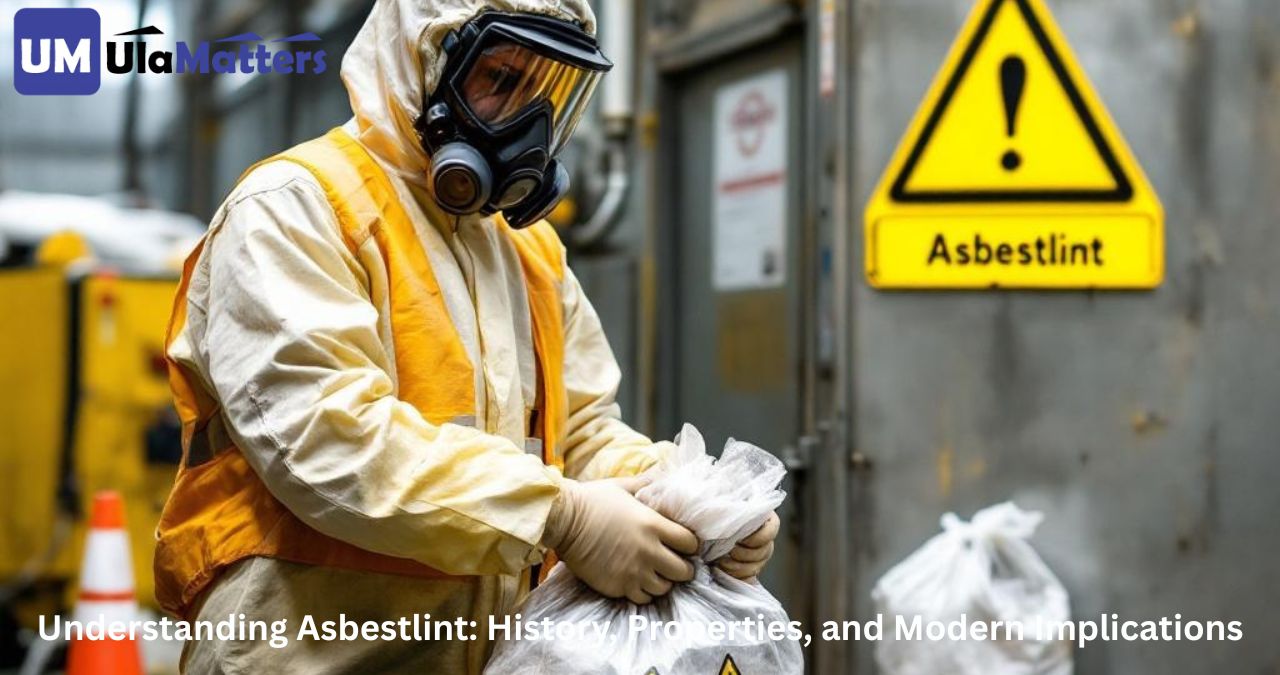
Asbestos removal is a highly regulated and hazardous process. Specialized contractors are required to handle and remove asbestos-containing materials safely. This includes the use of protective gear, proper containment methods to prevent the spread of asbestos fibers, and disposal in certified facilities designed to handle hazardous waste.
Conclusion
Asbestlint is a historical product made from asbestos fibers, primarily used in industrial and construction applications due to its heat resistance, fireproofing properties, and durability. While asbestlint and other asbestos-based products served many important functions in the past, the recognition of the health risks associated with asbestos exposure has led to widespread regulation and bans. Asbestos exposure can cause severe respiratory diseases, including lung cancer and mesothelioma. Despite these risks, asbestlint and other asbestos materials still exist in older structures, requiring careful management and removal.
The legacy of asbestos, including materials like asbestlint, remains an ongoing concern, and its safe handling and removal continue to be critical for protecting public health.