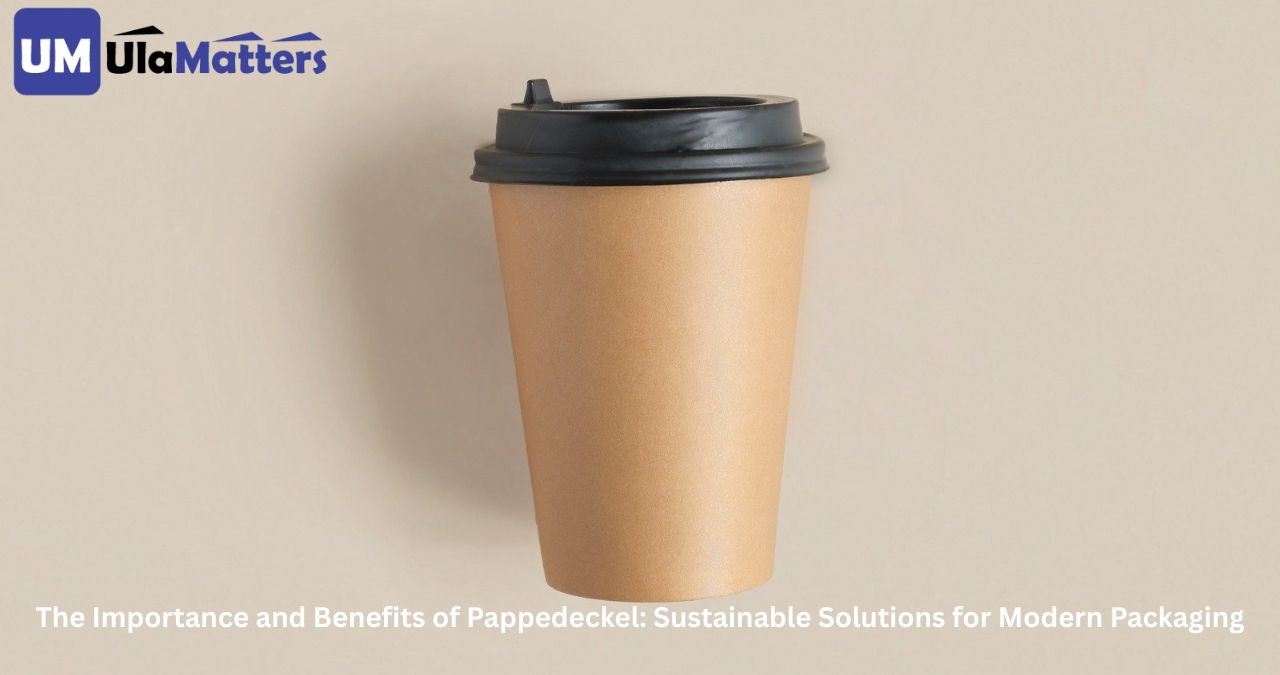

As the world faces increasing environmental challenges, sustainability has become a central concern for businesses and consumers alike. One area that has seen significant innovation in recent years is packaging. In particular, Pappedeckel, the German term for paper lids, has gained attention as an eco-friendly alternative to traditional plastic lids. This article explores the growing significance of Pappedeckel in the packaging industry, its advantages, and the broader environmental implications of its adoption.
What is Pappedeckel?
Pappedeckel is a type of lid made from paper, designed primarily for use in the food and beverage sector. Unlike plastic or metal lids, which are typically not biodegradable, Pappedeckel is made from sustainable materials like cardboard or molded paper pulp. These paper lids can be used for a variety of applications, including coffee cups, takeaway containers, and food jars. They serve as an innovative solution for businesses looking to reduce their environmental impact while still maintaining the functionality and convenience required for packaging.
In essence, Pappedeckel is a response to the growing demand for sustainable packaging solutions, offering an alternative to single-use plastics. As consumers become more environmentally conscious, products like Pappedeckel have emerged as part of a larger movement towards reducing plastic waste and promoting recyclable and biodegradable materials.
The Environmental Benefits of Pappedeckel
One of the primary reasons for the rising popularity of Pappedeckel is its environmental benefits. Traditional plastic lids, often made from polypropylene or polystyrene, can take hundreds of years to decompose in landfills. In contrast, paper lids are biodegradable and can break down naturally over time. This makes them a far more sustainable option, as they do not contribute to the long-term pollution of our planet.
Moreover, paper lids are often made from recycled materials or sustainably sourced paper, reducing the need for virgin resources. The production of paper generally has a lower carbon footprint compared to plastic, further enhancing the environmental advantages of using Pappedeckel in packaging. By choosing paper over plastic, businesses can help reduce greenhouse gas emissions, conserve natural resources, and minimize their overall environmental impact.
Additionally, paper lids are often compostable, meaning they can be disposed of in composting systems, where they break down into organic matter that can enrich soil. This makes Pappedeckel an ideal solution for businesses looking to embrace circular economy principles, where materials are reused and recycled rather than discarded.
The Versatility of Pappedeckel in Packaging
Pappedeckel is not limited to a single application; its versatility is one of the reasons it has gained such popularity in the packaging industry. In the foodservice sector, for example, paper lids are commonly used for coffee cups, takeaway containers, and fast-food packaging. These lids provide a secure seal, ensuring that the contents of the container stay fresh and safe for consumption.
In addition to food packaging, Pappedeckel can also be used in other industries that require protective lids or covers for various products. For example, they are used in cosmetics packaging, where paper lids can offer a sleek and eco-friendly alternative to plastic tops. Pappedeckel is also used for jar lids in industries such as honey, jam, and sauces, offering a sustainable alternative to metal or plastic jar closures.
The ability to customize Pappedeckel with branding, logos, and designs also makes it a popular choice for businesses looking to differentiate themselves in the marketplace. Paper lids can be printed with attractive designs or eco-friendly messages, enhancing the overall appeal of the product while reinforcing the brand’s commitment to sustainability.
The Consumer Demand for Sustainable Packaging
As consumer awareness of environmental issues continues to grow, there is an increasing demand for sustainable packaging solutions. Consumers today are more likely to support businesses that prioritize environmental responsibility, and this has led many companies to explore alternatives to traditional packaging materials. Paper lids, such as Pappedeckel, have become an essential component of this shift towards more sustainable packaging practices.
Research shows that consumers are willing to pay a premium for products that use environmentally friendly packaging. A 2020 study by Nielsen found that nearly half of global consumers are willing to pay more for sustainable products, with 73% of millennials and 72% of Generation Z indicating that they would choose eco-friendly packaging over conventional options. This shift in consumer behavior has pushed businesses to adopt greener packaging alternatives, such as Pappedeckel, to meet the demand for sustainability.
The growing popularity of paper lids also reflects a broader societal trend towards reducing plastic consumption. Plastic waste is a major contributor to ocean pollution, and many countries and regions have introduced policies to ban or restrict single-use plastics. This has created a strong market for sustainable alternatives like paper lids, which help businesses comply with regulations while also addressing consumer preferences.
Challenges and Considerations in Using Pappedeckel
While Pappedeckel offers many environmental benefits, there are still challenges to overcome in its widespread adoption. One of the primary concerns is the availability and cost of materials. Producing paper lids at scale can be more expensive than producing plastic lids, especially if the paper is sourced from sustainable or recycled materials. This can result in higher costs for businesses, particularly smaller companies that may have limited resources.
Additionally, the strength and durability of paper lids can sometimes be a concern. While paper lids are effective for many applications, they may not offer the same level of protection or sealing capabilities as plastic or metal lids. For example, paper lids may not be as resistant to moisture or temperature fluctuations, which can limit their use in certain products, such as hot beverages or foods that require airtight seals.
However, ongoing innovation in the packaging industry is addressing these challenges. Advances in paper coating technologies, for instance, have made it possible to create paper lids that are more resistant to moisture and offer better sealing properties. As the demand for sustainable packaging grows, it is likely that further innovations will improve the functionality and affordability of Pappedeckel, making it a more viable option for businesses across industries.
Conclusion: A Sustainable Future for Pappedeckel
Pappedeckel represents a significant step forward in the quest for sustainable packaging solutions. By replacing plastic lids with paper alternatives, businesses can reduce their environmental impact, conserve resources, and contribute to the growing movement towards a circular economy. The versatility, biodegradability, and compostability of paper lids make them an ideal choice for a wide range of applications, from food packaging to cosmetics and beyond.
As consumer demand for eco-friendly products continues to rise, it is clear that Pappedeckel will play an increasingly important role in the future of packaging. While challenges remain, the ongoing innovation in paper lid technology offers hope for a more sustainable and environmentally responsible packaging industry.
For businesses, adopting Pappedeckel not only aligns with global sustainability goals but also resonates with consumers who are eager to support brands that prioritize the planet. As the world moves toward a more sustainable future, Pappedeckel stands as a shining example of how small changes in packaging can make a big difference for the environment.